What I did
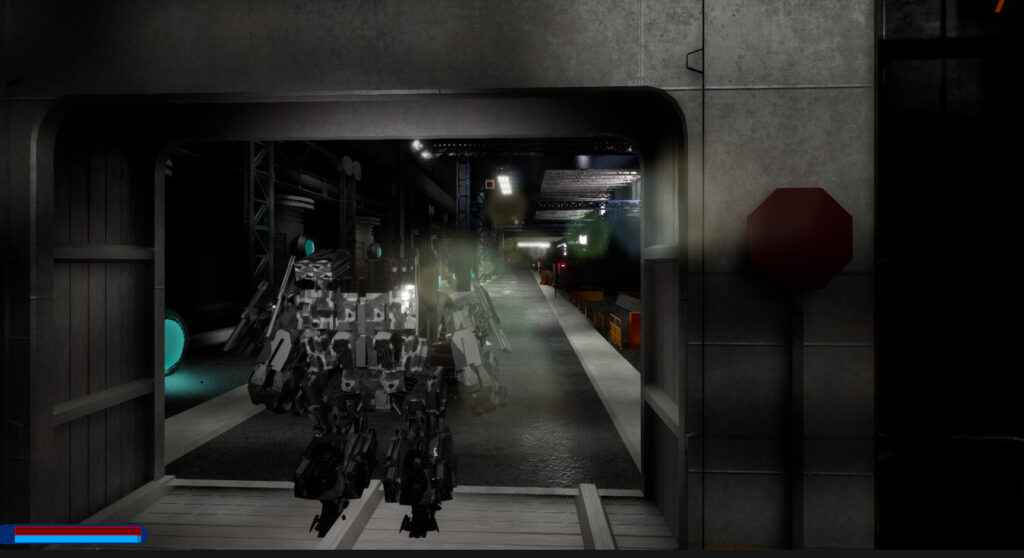
For this game I was the lead 3D Animator. I animated our game’s main mech character inside of Maya. Some of the animations that I created include: idle, walk, run, strife, crouch, dash, jump, fall, and many others. I did many different revisions of each animation to get an accurate representation of the mech robot. I have experience animating organic characters, however as this robot was non-humanoid, it was a bit more challenging as I had to think about the physics and the principles differently. To do this, I studied droid and robot videos online and studied their calculated movements. It was challenging adjusting to this, however the result turned out to be realistic movements of a large and heavy mechanical robot that allows for smooth movement for the player. After creating sufficient animations, I had to switch roles as a Technical Artist in order to plug them into the Unreal Engine Animation Blueprints for our character. This took trial and error, as there were some issues with the communication of the nodes, however with perseverance, I was able to successfully add all animations and animation sequences into the blueprint.
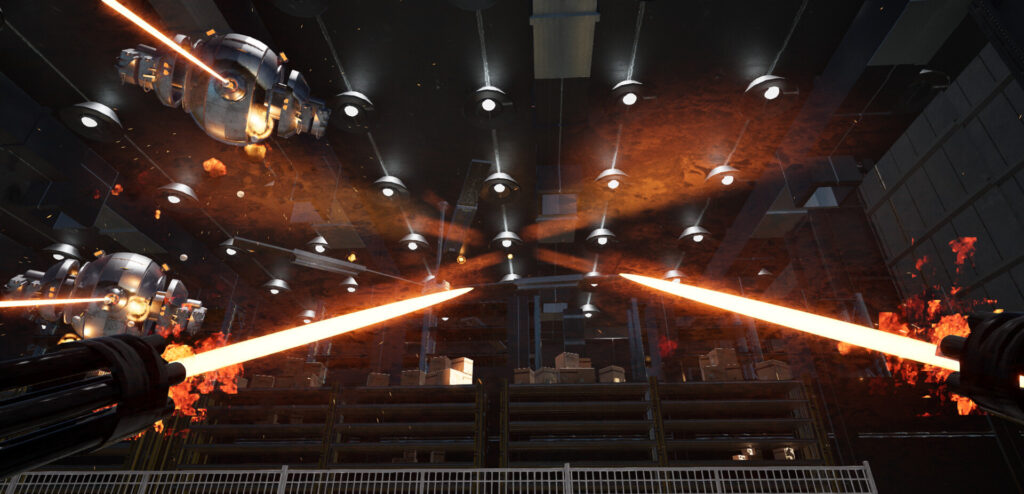
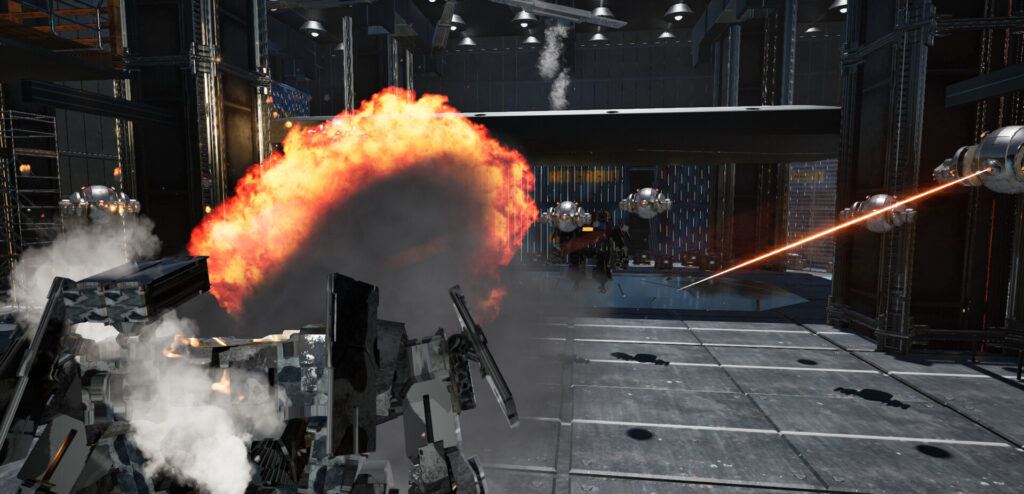
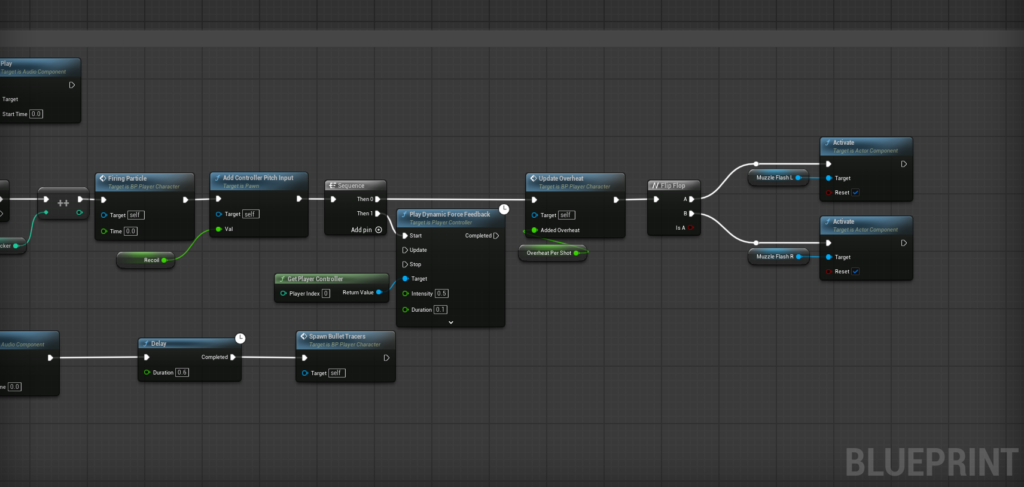
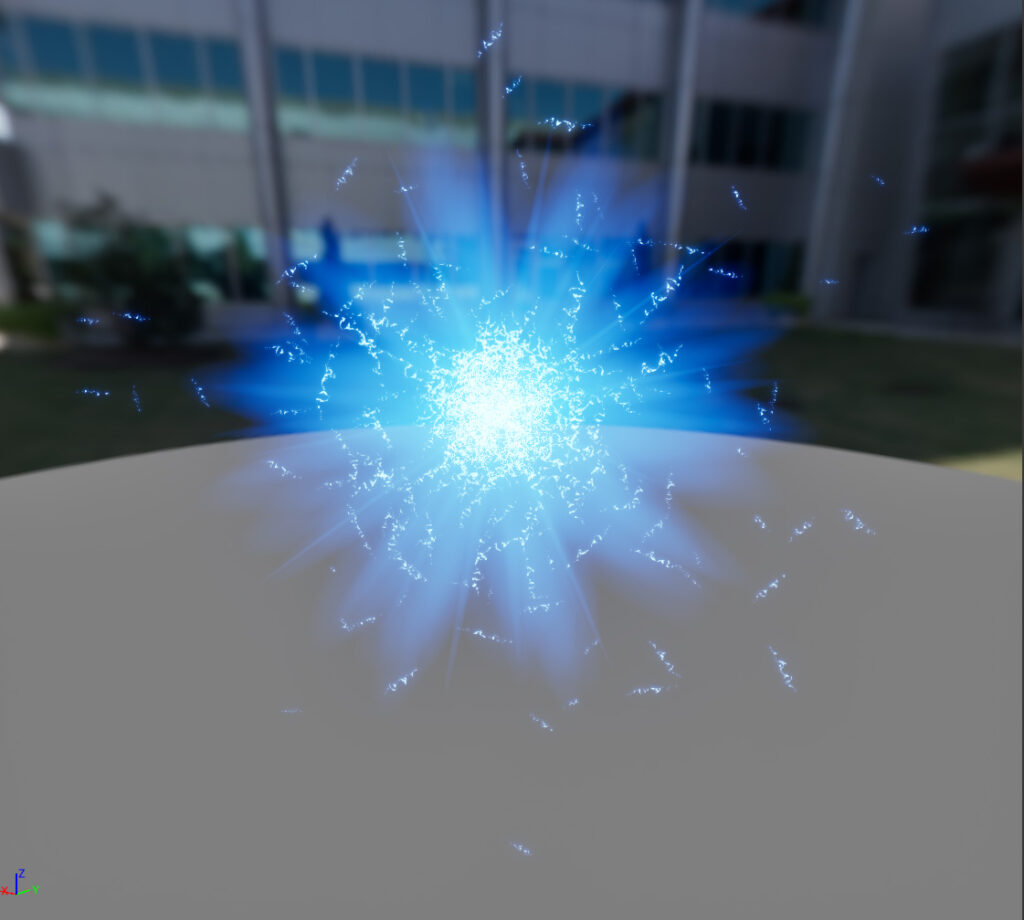
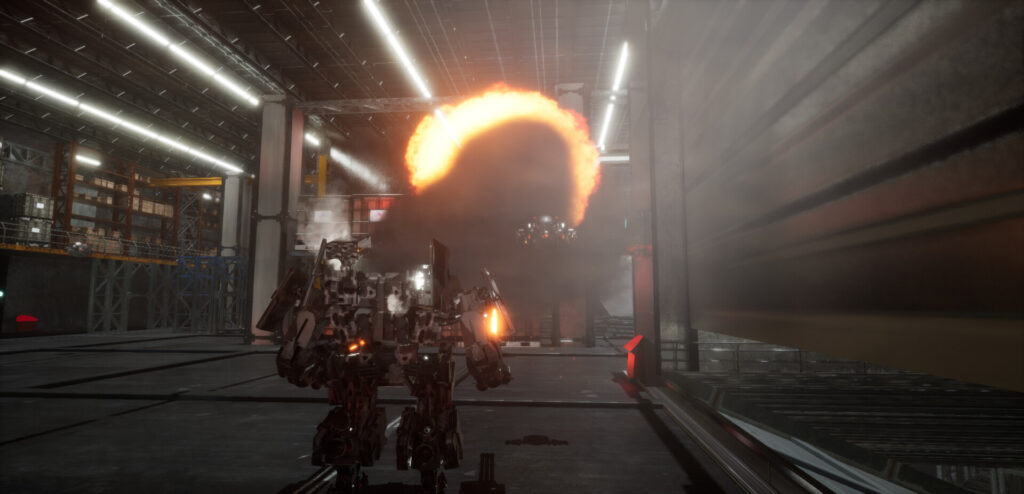
During this game I did all of the visual effects. As no one on our team knew how to do VFX, I taught myself through online videos and resources. I created all effects with Niagara particle systems inside of Unreal Engine 5. Some of the effects that I created included bullet tracers, muzzle fire, telekinesis lightning, smoke, fire, explosions, etc. Creating these effects was challenging, as I had to learn how to create these effects from scratch. I learned a lot in the process and I now have a good understanding how different particles are created and maintained. After the creation of these effects, I had to switch roles as a Technical Artist to apply all of these effects to the enemies and to the main robot character. I worked within our game’s main character blueprints and did a lot of testing for the most efficient placement of the nodes. With a lot of trial and error, I was able to successfully visually script all effects to the main mech and to all of the different enemies. The results are realistic visuals that allow for fun gameplay that add to the game’s main theme of destruction.
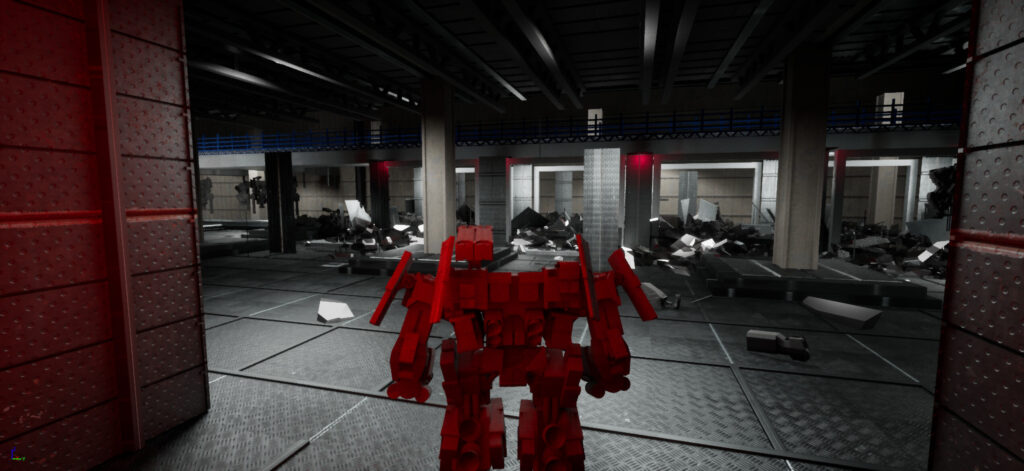
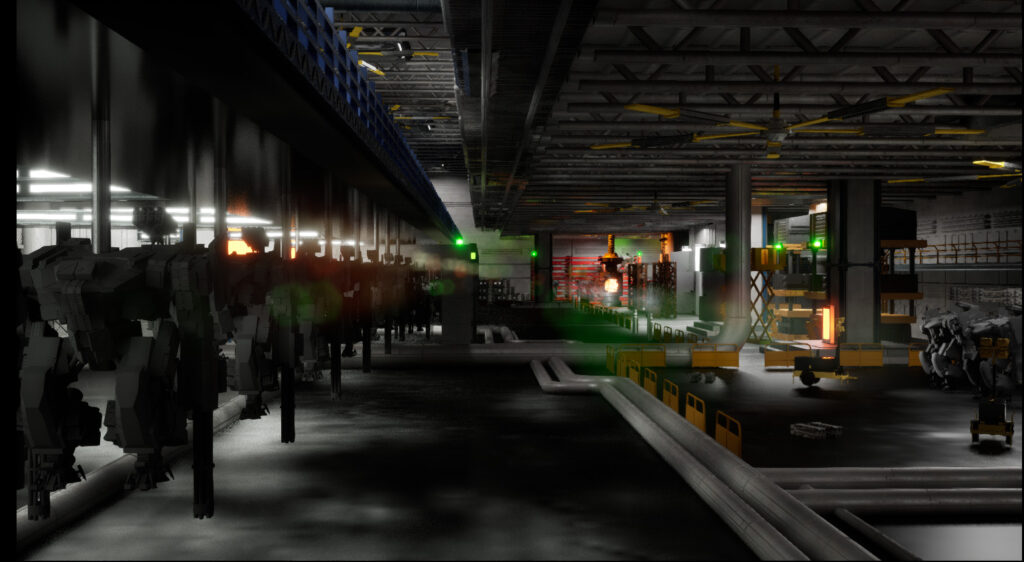
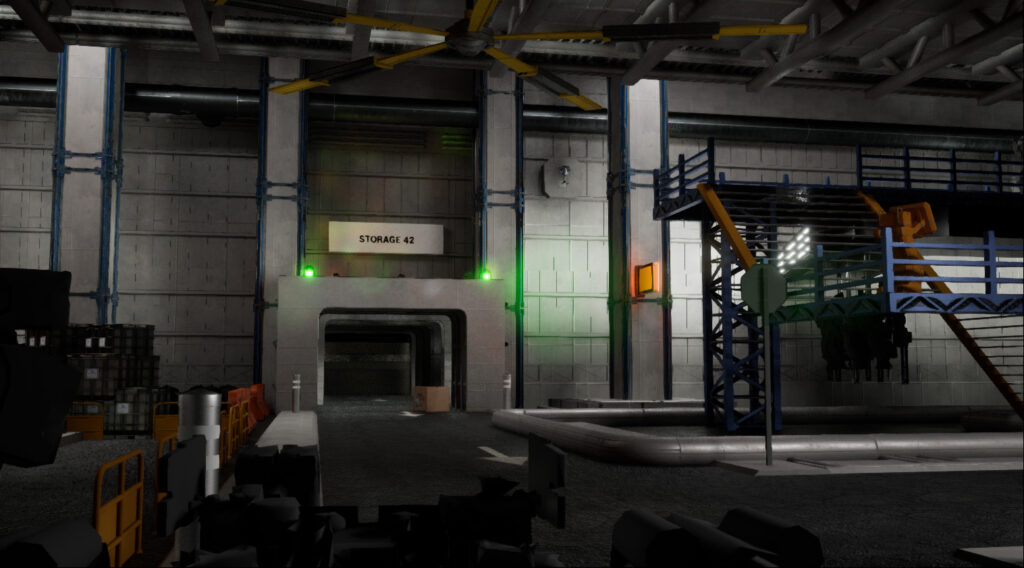
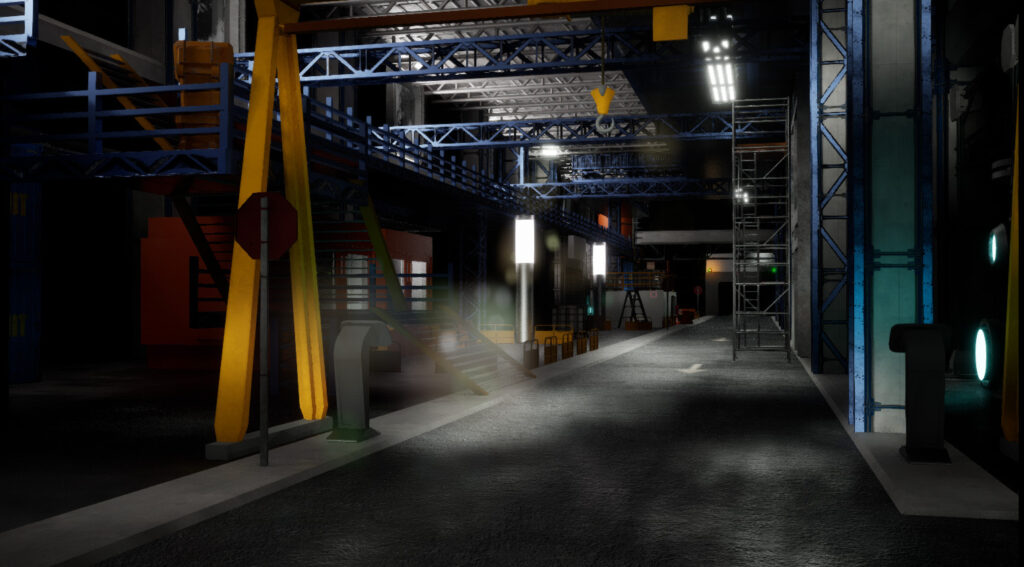
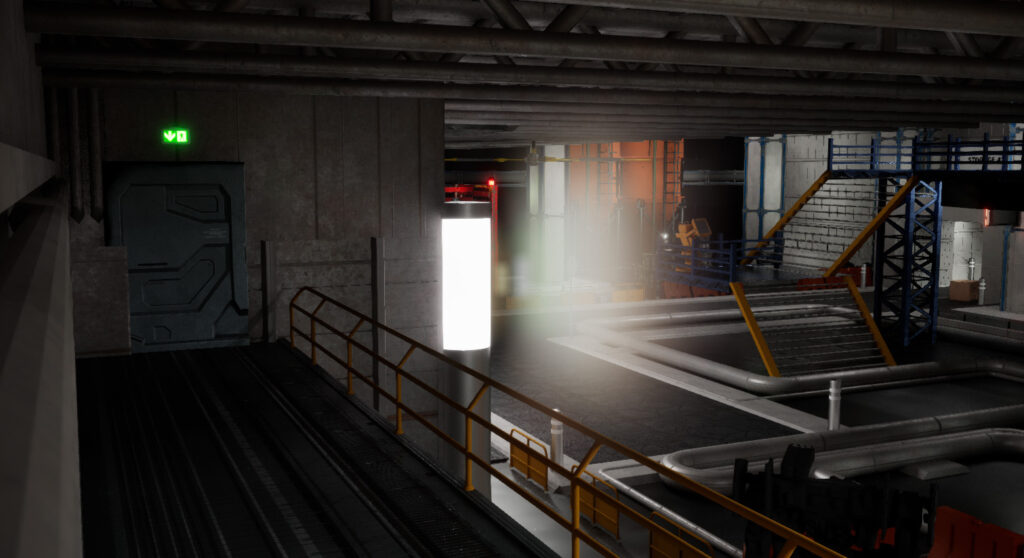
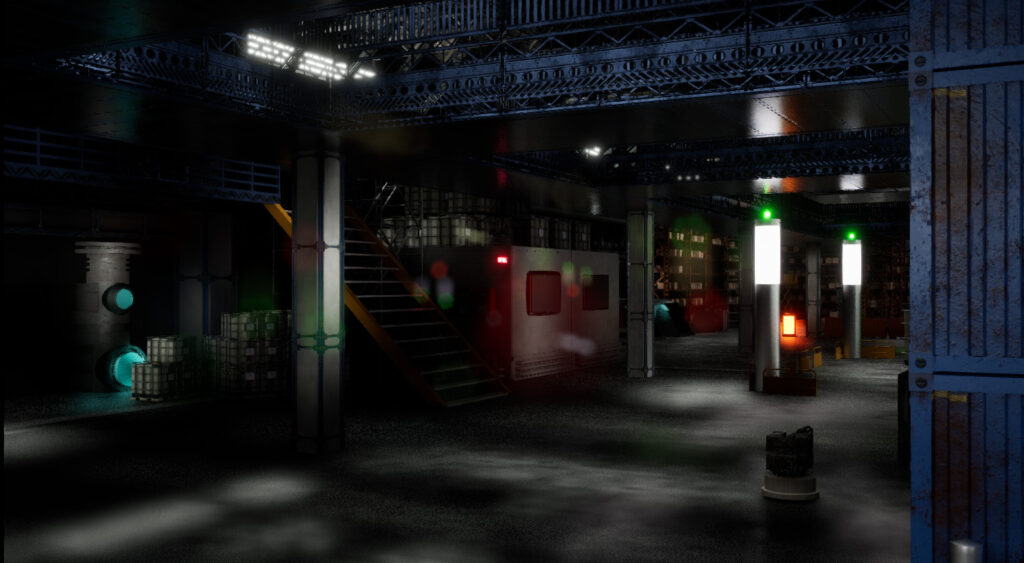
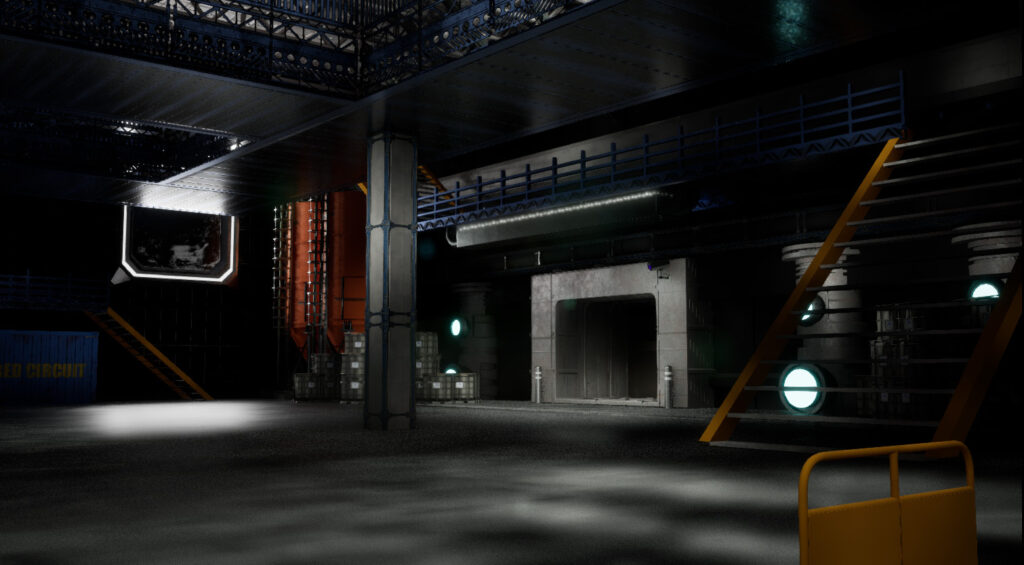
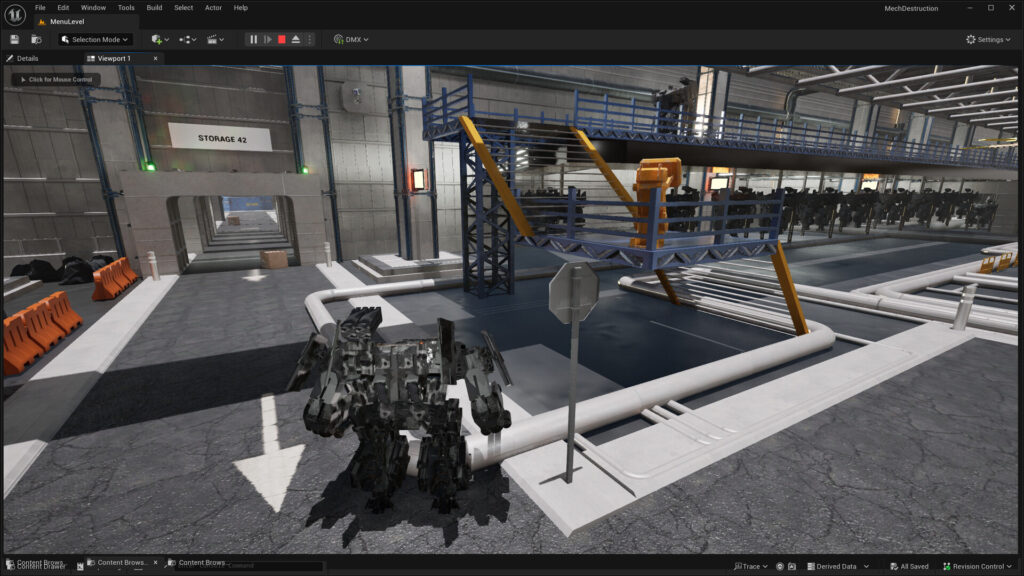
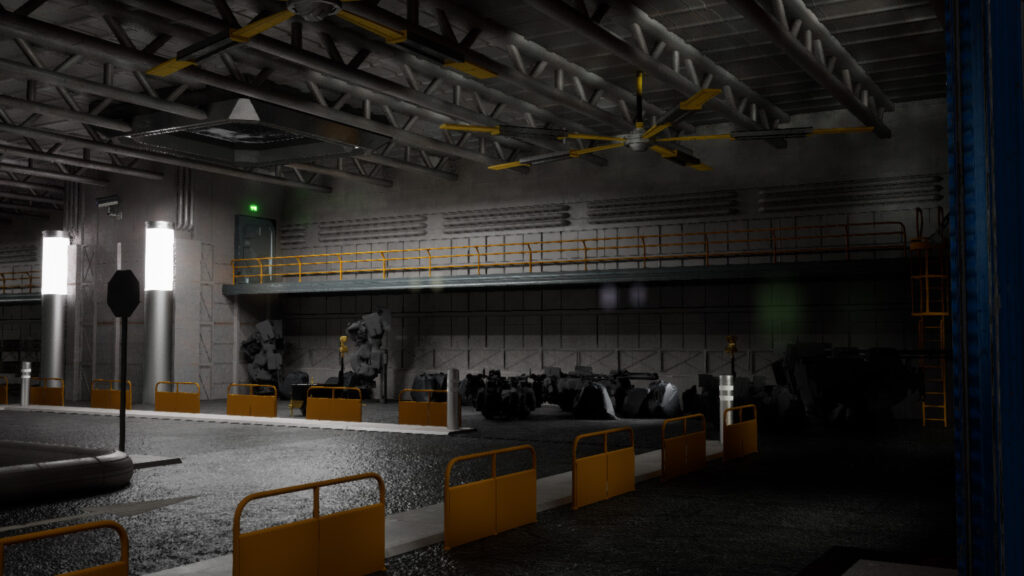
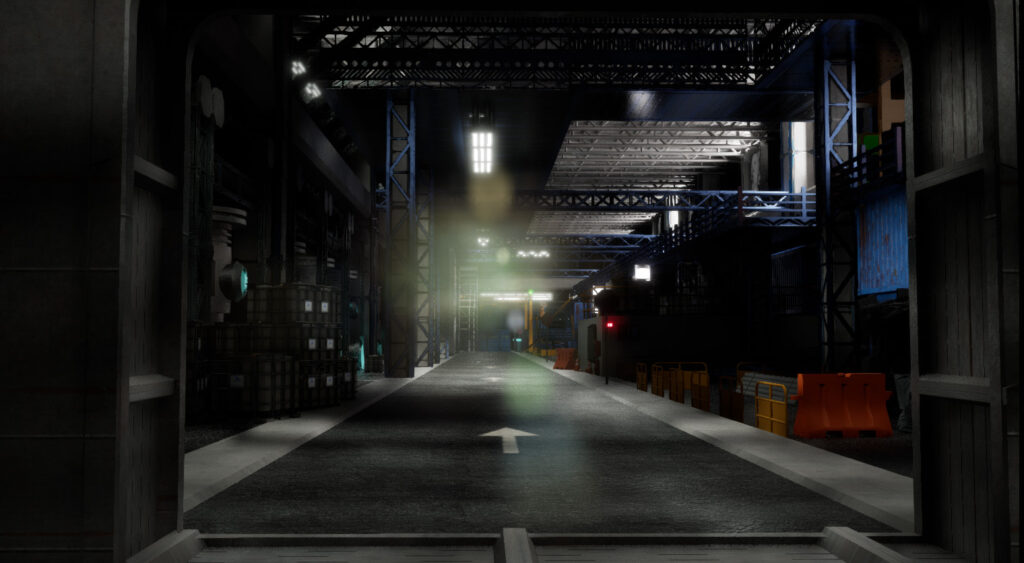
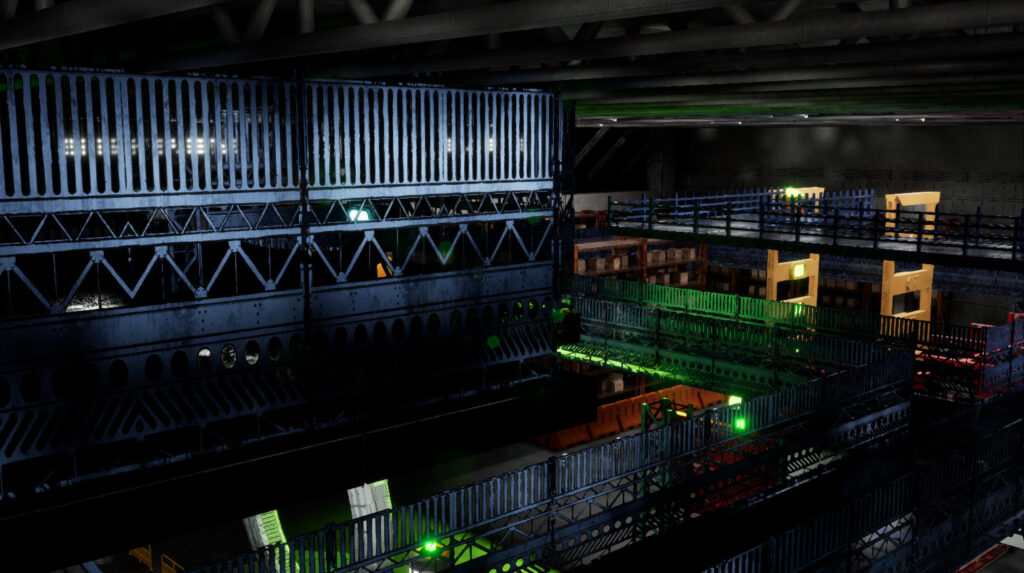
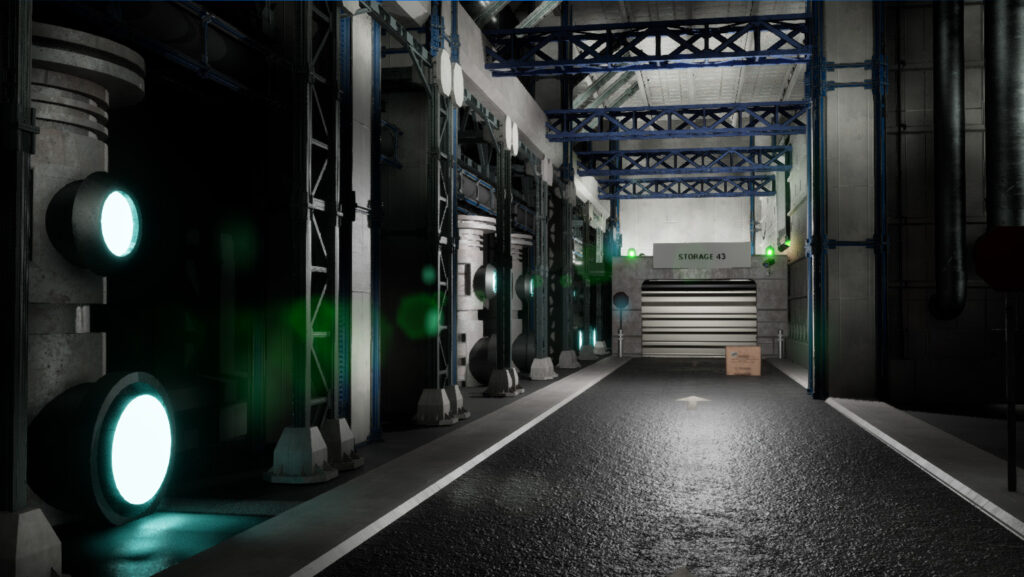
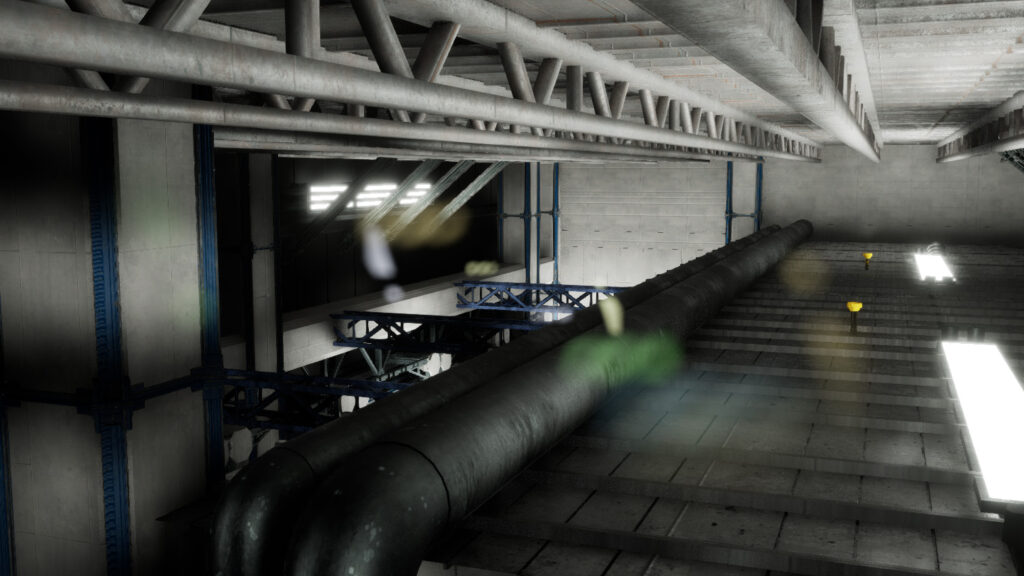
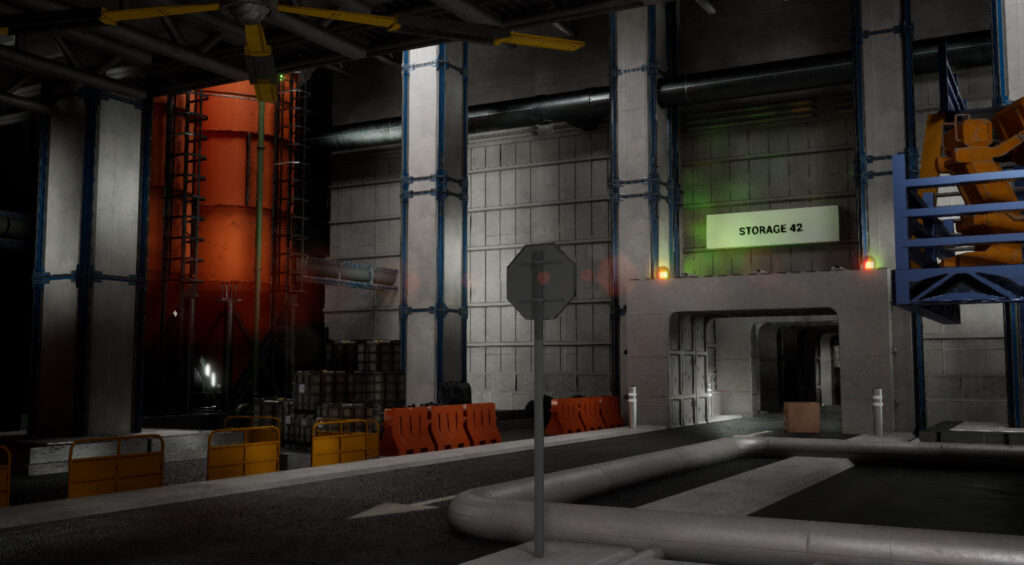
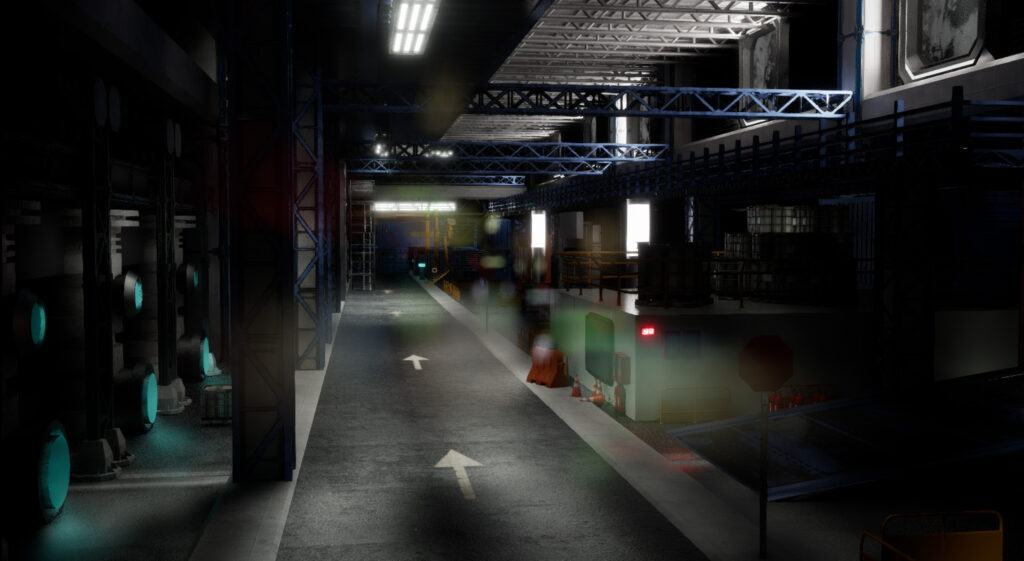
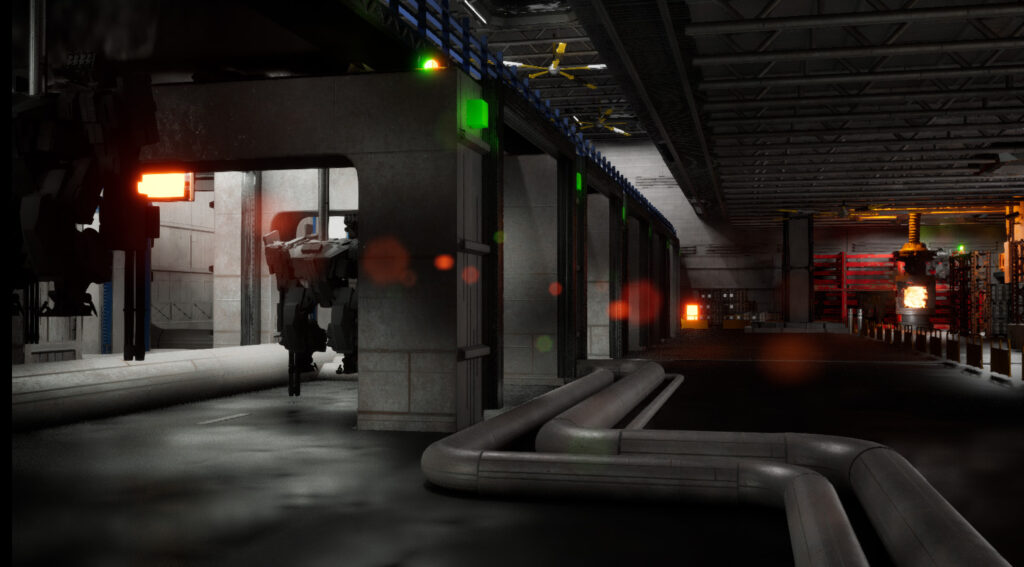
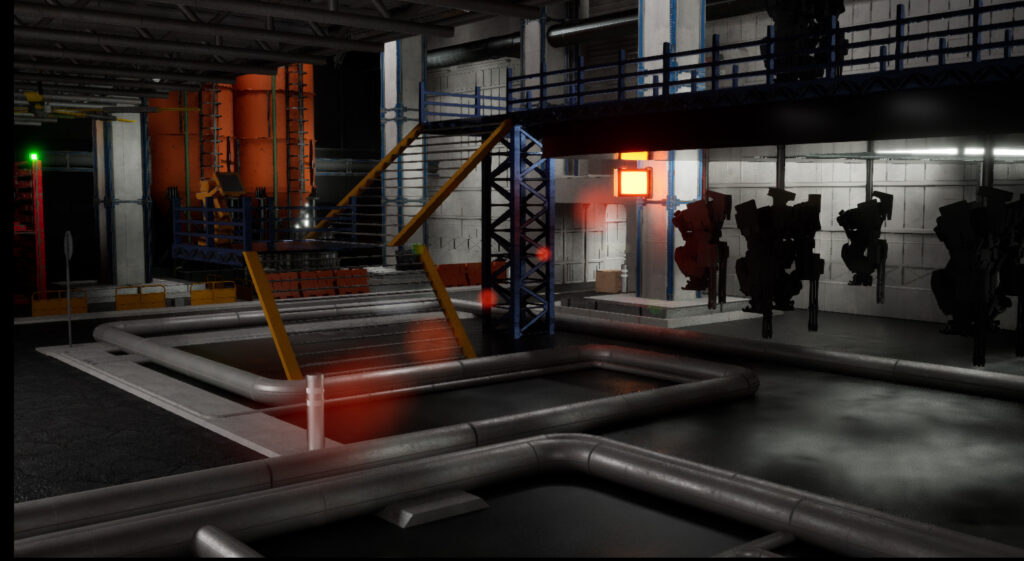
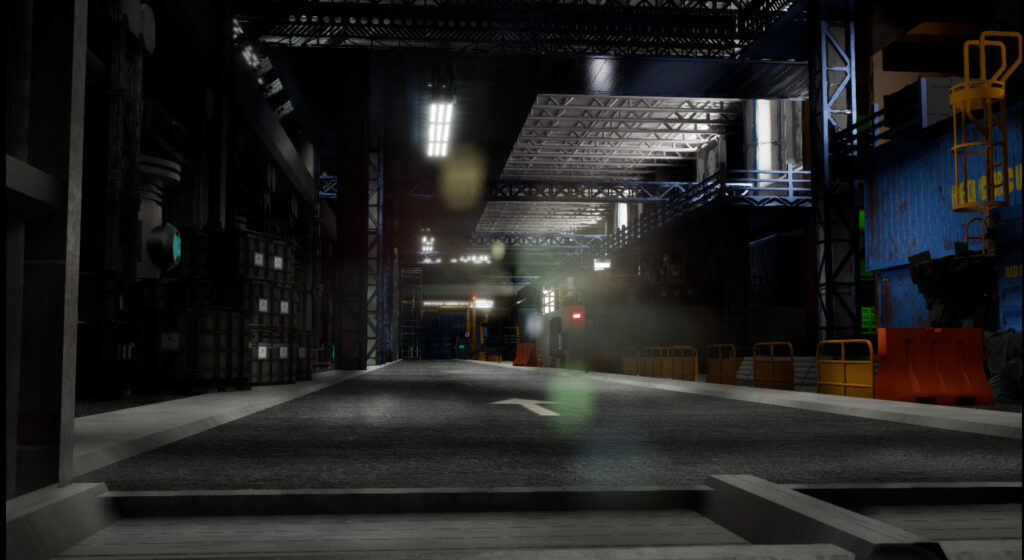
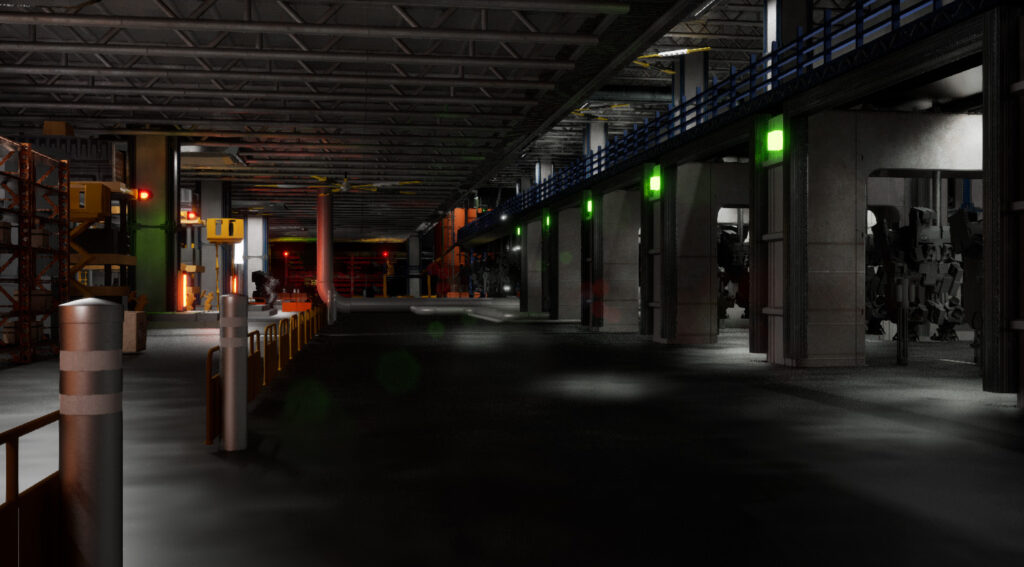
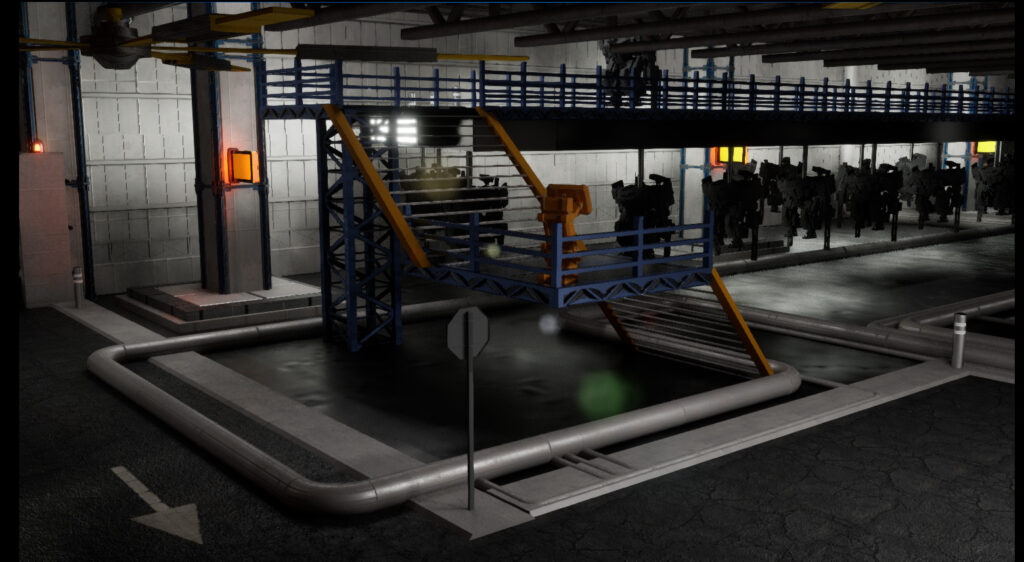
I was also in charge of designing Level 1, where I created both the layout and the overall look of Warehouse 1. I spent a lot of time greyboxing the level to make sure it felt clear, straightforward, and fun for the player. After getting feedback from the team and making adjustments, I started placing in the assets we created. We made sure each asset was optimized to help with performance. I also helped set up our assets so they could fracture when shot by the player or enemies. In the end, we ended up with a level that plays well and feels good for the player.
What I contributed to the game:
- 3D animation for the main mech
- Walk, idle, run, crouch, telekinesis, death, etc.
- Blueprint integration
- Rigged main mech
- VFX in Niagara for main mech and enemies
- Explosions, smoke, fire, bullets, telekinesis, dash, etc.
- Blueprint integration
- Level 1
- Environment Design
- Asset integration
- Level layout
- Greyboxing
- Fracturing assets
- Documentation and user research
- Version Control systems
- Collaboration with multiple teams